Resin Furniture or Metal Furniture for Low Maintenance Patios
Low maintenance patio furniture is less about finding something that needs no care at all and more about choosing materials that handle local conditions without constant attention. Resin and metal both have a place outdoors, and both can look good for years when matched to the right setting. The decision usually comes down to climate, storage space, comfort, and how much upkeep feels acceptable.
Resin furniture, including resin patio chairs, is often chosen for patios that see rain, pool splashes, garden moisture, and frequent family use. Metal furniture has a different appeal. It can feel substantial, tailored, and cool underfoot in a design sense, but it asks more attention to finishes, temperature, and moisture at contact points. Neither option is automatically better for every outdoor space.
What low maintenance really means outdoors
Outdoor furniture lives with sun, rain, dust, pollen, food spills, and changes in temperature. A low maintenance choice should be easy to clean, resistant to the problems common in its material, and simple to move or store when conditions turn harsh. The goal is not to avoid all cleaning. It is to avoid frequent repainting, rust removal, complicated repairs, or constant worry after a storm.
It helps to separate routine care from occasional care. Routine care might mean brushing off leaves, wiping a spill, or rinsing dust from a seat. Occasional care might mean checking fasteners, covering furniture during a long wet spell, or moving pieces into shelter for winter storage. Resin and metal differ most in how often those occasional tasks become urgent.
Resin furniture: practical strengths
Resin is a broad term for outdoor furniture made from synthetic materials, often molded or formed into durable shapes. One of its main advantages is that it does not rust. That matters on patios exposed to rain, pool water, coastal air, or sprinkler overspray. A resin chair can sit through damp weather without the same risk of corroded frames or flaking paint that metal may face.
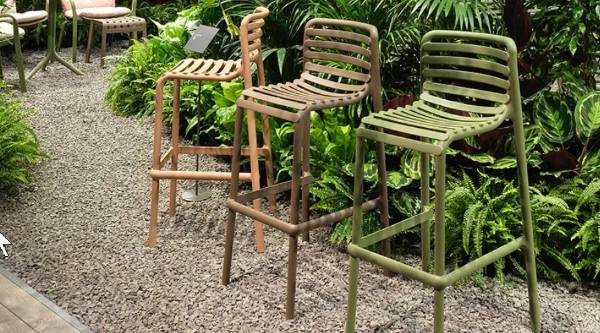
Resin patio chairs are also commonly lightweight enough to rearrange without effort. That makes them useful for dining areas where seating changes often, for poolside spaces where people chase shade, and for commercial settings where tables need to be reset. Many resin designs have smooth surfaces with few hard-to-reach joints, so cleaning can be as simple as mild soap, water, and a soft brush.
Color is another practical point. Resin can be made in a range of finishes, from neutral tones to styles that mimic woven textures. Because color can run through the material or be integrated into the finish, small scuffs may be less visually jarring than a chip on a painted metal frame. That said, UV exposure can affect older plastics and finishes over time, so placement and product quality still matter.
Stacking is a real advantage in busy spaces. stackable outdoor chairs can be stacked between uses, keeping walkways clearer and making seasonal storage less awkward. For smaller patios, a stackable design means seating can be available when needed without staying permanently in the way. When comparing models, look at stacking capacity and whether the shape feels secure when stacked rather than just tall.
Metal furniture: where it fits well
Metal furniture can be a strong fit where a patio has a more architectural look or where the owner likes the feel of a solid frame. Powder coated aluminum, steel, and other metals can deliver slim profiles, clean lines, and a crisp appearance. In covered spaces or drier climates, metal may need less thought about rain exposure than it would in a wet, shaded yard.
Weight can be a benefit. Metal chairs are less likely to shift in a breeze, and metal tables can feel stable for dining. The trade-off is that metal can become uncomfortable in direct sun. Seats and backs may heat up, especially with darker finishes. In cold weather, metal also feels cold to touch. Cushions can improve comfort, but cushions add their own care routine because they need to stay dry and clean.
The main maintenance concern with metal is the finish. Scratches, chipped coating, and moisture buildup around feet or joints can lead to corrosion over time. Checking the underside of legs and the points where parts meet is more useful than judging only the top surface. If the finish begins to fail, the fix may involve refinishing or replacement parts, depending on the construction. That can turn a low maintenance choice into a recurring task.
Side by side on everyday care
For routine cleaning, resin usually has the simpler path. Dirt tends to sit on the surface, and a gentle wash is often enough. Metal can also be easy to clean, but the finish needs more careful treatment. Abrasive pads or harsh cleaners can damage coatings, and standing water at joints can shorten the life of a frame. Both materials benefit from prompt attention to spills, especially sauces, sunscreen, and plant debris.

For weather exposure, resin generally has the edge where rain and humidity are regular. Metal can perform well when it has a quality finish and is not left wet in shaded corners. Covered patios change the equation. Under a roof, metal furniture may stay dry and look steady for a long time, while resin still has to cope with sun exposure if the area is bright.
For storage, resin is often easier because many pieces are light and stack neatly. Metal may require more space or more effort to move, especially if pieces are wide or heavy. stackable outdoor chairs made from metal do exist, but the stacked weight can be a deciding factor for anyone who needs to put seating away regularly.
For comfort, metal needs cushions more often. Resin can be shaped with contours, textured seats, or flexible panels that feel more forgiving on their own. Still, comfort depends on design rather than material alone. A poorly shaped resin chair can be less pleasant than a well designed metal chair with a good seat angle.
Climate and setting matter more than the label
In hot, sunny areas, UV exposure deserves attention for resin, while surface heat deserves attention for metal. A light colored chair in a shaded spot may stay comfortable longer than a dark chair in full afternoon sun. In humid or rainy areas, resin tends to avoid rust concerns, while metal needs a finish that remains intact and feet that do not trap water. Near pools, chlorine splash and constant dampness make simple surfaces and easy rinsing more valuable than decorative details.
Garden settings bring pollen, sap, soil, and irrigation. Smooth resin surfaces can be rinsed clean, while metal legs near soil may need closer checks at the base. Commercial spaces add another factor: repeated use by many people. In that case, chair weight, stacking, ease of cleaning, and the availability of replacement parts can matter as much as appearance. Furniture that is easy to move and reset often gets better daily use.
Winter storage also shapes the choice. Where furniture can be covered or moved into shelter, either material has a better chance of lasting. Where pieces must stay outside, resin may handle wet freezes with fewer concerns about painted surfaces, but it still benefits from being cleared of standing water and debris. Metal that stays outside should be checked for coating damage before damp weather settles in.
How to decide for a specific patio
Start with the harshest regular condition, not the best day. If the patio bakes in sun, prioritize UV resistance, lighter finishes, and comfortable seating surfaces. If it stays damp, look for materials that do not rust and designs that do not hold water. If the space is small or shared, favor pieces that move easily, stack cleanly, and do not need elaborate care after every meal.
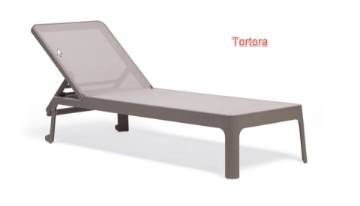
Then think about how the furniture will be used. A quiet reading corner can support heavier metal seating that rarely moves. A flexible dining area may suit resin chairs that can be pulled out, stacked, and wiped down without fuss. A poolside setup usually favors materials that tolerate splashes and dry quickly rather than pieces with many cushions or crevices.
Appearance still counts, but it should not be judged in isolation. Ask how a piece will look after dust, rain, sun, and regular use. Smooth edges, stable feet, simple joints, and finishes that are easy to clean often matter more over time than a striking shape that collects water or needs special products.
For many low maintenance patios, resin furniture is the easier choice because it handles moisture well, cleans quickly, and is often light enough to rearrange. Metal furniture makes sense when a space is covered, design priorities lean toward solid frames, and the owner is comfortable checking finishes and managing temperature. The better option is the one whose maintenance demands match the patio, not the one that looks simplest on a showroom floor.
Ends · OPENAIRROOMS